Living in Henley-in-Arden: a market town in a single street
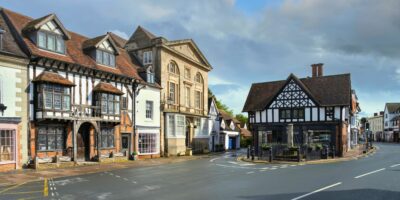
Living in Henley-in-Arden offers a walkable centre and access to the Warwickshire countryside. Its mile-long High Street, lined with timber-framed buildings and independent businesses, defines this market town.
Set in the River Alne valley within Stratford-on-Avon District, Henley lies around 15 miles from Birmingham, nine miles from Stratford-upon-Avon and nine miles from Warwick.
For professionals, families and downsizers considering moving to Henley-in-Arden, the appeal lies in its period homes, strong sense of community and local amenities, offering a fuller everyday life than this market town’s modest size might suggest.
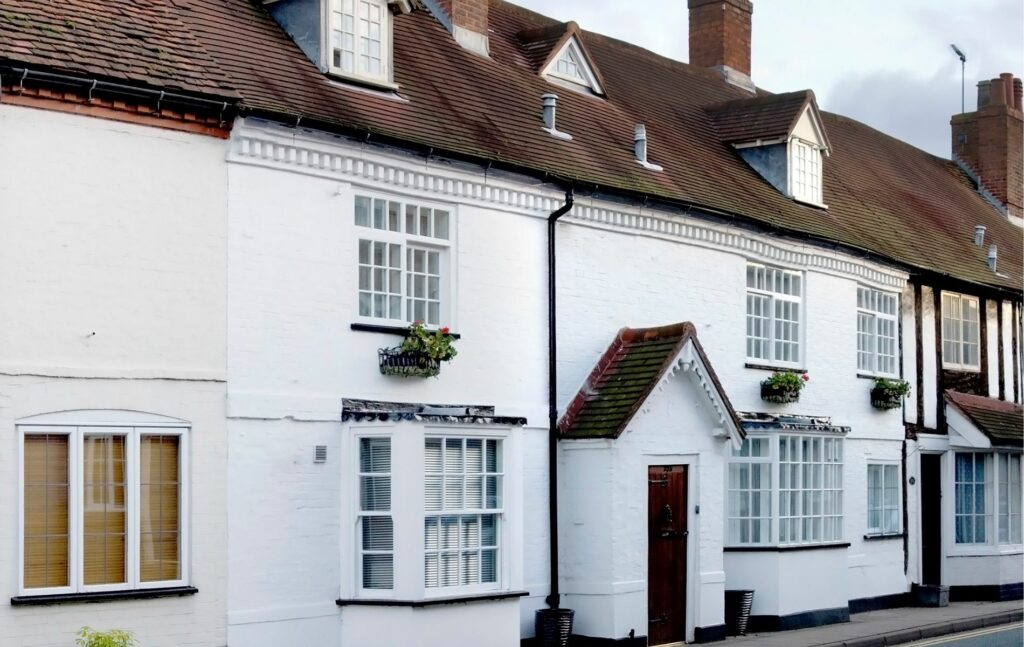
The High Street: a mile of Henley-in-Arden’s history
Henley-in-Arden High Street is the historic centre of a Warwickshire market town with roots stretching back more than eight centuries. Its conservation area contains timber-framed houses, Georgian-fronted premises and Victorian buildings, many still occupied by shops, homes and businesses.
The town developed under the de Montfort family, who held Beaudesert Castle across the River Alne. Market rights date from the 1140s. Henley became a borough by 1296 and was rebuilt after being burnt following the Battle of Evesham in 1265. Its name recalls the former Forest of Arden; locally, it is simply Henley.
Among its landmarks are the medieval market cross, St John the Baptist Church and the 16th-century White Swan inn.
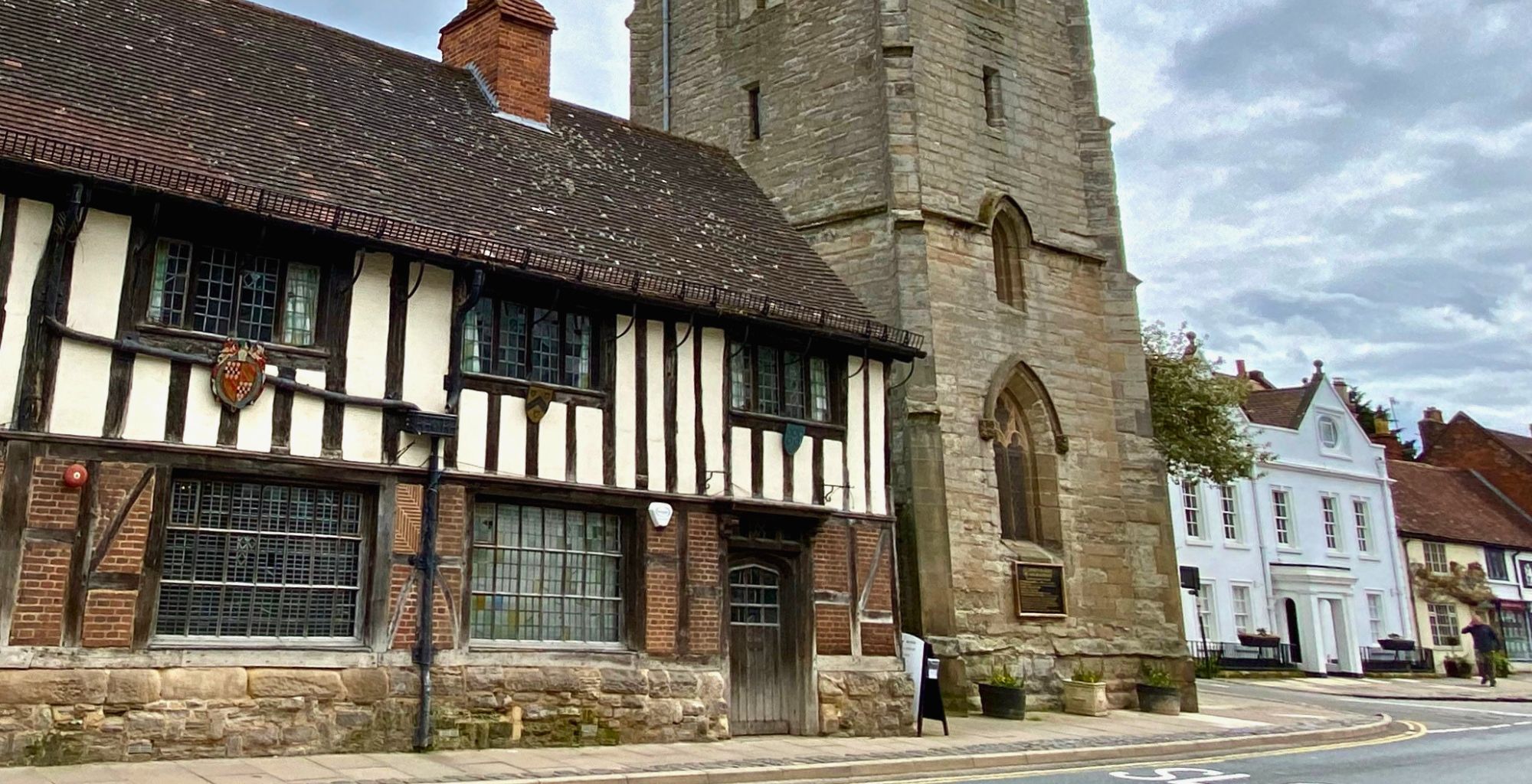
The 15th-century Guild Hall remains a community venue, with gardens behind it, while the Norman church of St Nicholas stands across the river in Beaudesert.
Henley’s Court Leet preserves ceremonies including annual ale tasting and butter weighing. Henley Ice Cream has traded from a 16th-century High Street building since 1934. The High Street remains a working centre, not simply a collection of historic buildings.

The property market: character and mix
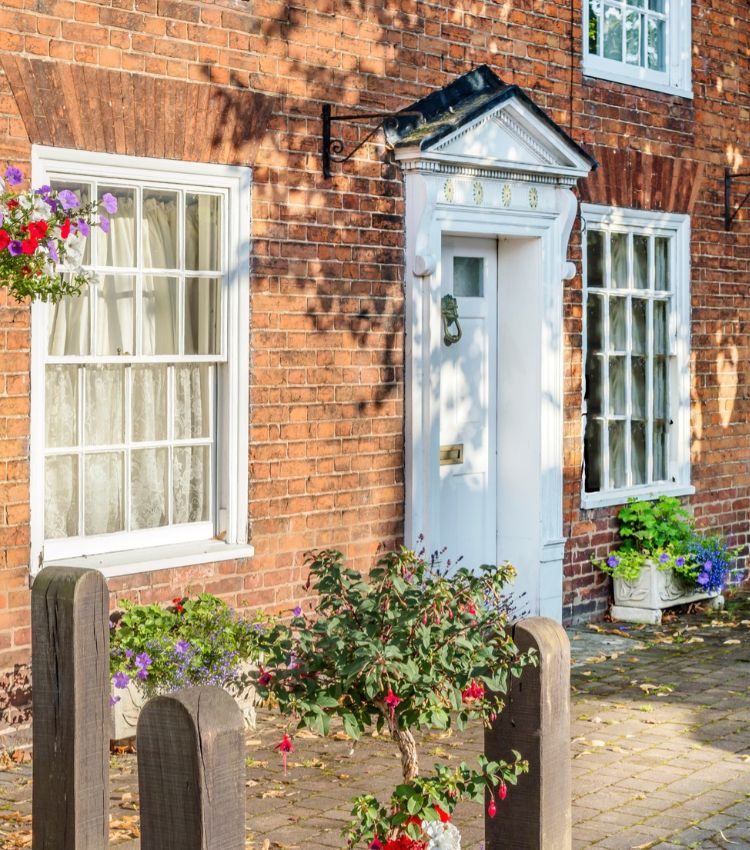
Henley-in-Arden’s housing ranges from period townhouses and cottages to family homes on the outskirts and substantial properties in the surrounding countryside.
Older houses may require specialist maintenance, while listed-building status and conservation-area controls can affect proposed alterations. Buyers should investigate these matters before purchasing.
Post-war and more recent homes tend to offer more conventional layouts, while smaller new-build, boutique and later-living schemes add alternatives closer to the centre. Availability varies by development.
Outside Henley, farmhouses, barn conversions and country houses offer land and greater separation from neighbours.
For those considering prime property in Warwickshire, Henley’s varied housing stock provides options for different lifestyles and requirements.
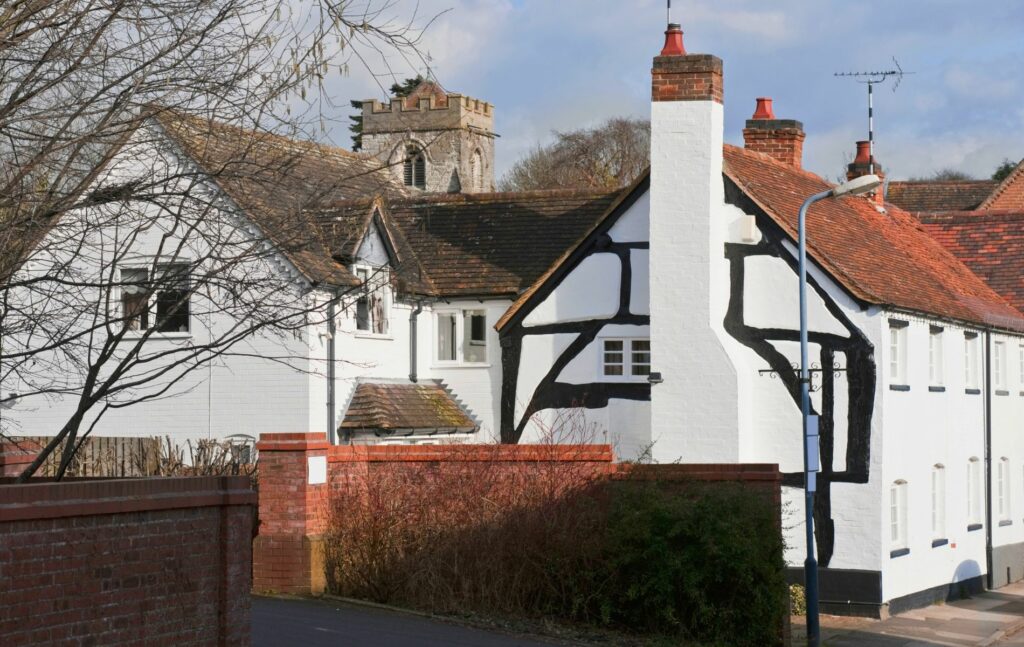
Where to live in Henley-in-Arden
Henley-in-Arden offers distinct residential settings, from its central conservation area to quieter lanes across the Alne and family streets near the station.
The High Street suits those who value being able to walk to shops and cafés, although parking arrangements merit attention when choosing a property.
Across the River Alne, but still minutes from the High Street, Beaudesert has older properties along quieter lanes beneath St Nicholas Church and The Mount, the surviving earthworks of the de Montfort family’s motte-and-bailey castle, with views over the town.
Beaudesert and Henley function as one community, sharing a joint parish council. Together, their built-up area had a population of approximately 3,000 at the 2021 Census.
Residential streets towards the edges offer a different pace, with access to the schools and station particularly relevant to families and regular rail users.
The surrounding villages offer further possibilities. Ullenhall, a few miles west, has country lanes and larger rural homes. Tanworth-in-Arden is known for its village green, period cottages and substantial country houses, while Aston Cantlow occupies a rural setting in the Alne valley, with timber-framed cottages and a historic church traditionally associated with the marriage of Shakespeare’s parents.
To the south, Wootton Wawen has its own railway station and a church with a Saxon tower. Lowsonford, with its canal-side setting, and the rural villages of Preston Bagot and Claverdon offer further alternatives to the east. Our guide to the North Warwickshire villages explores these locations in greater detail.
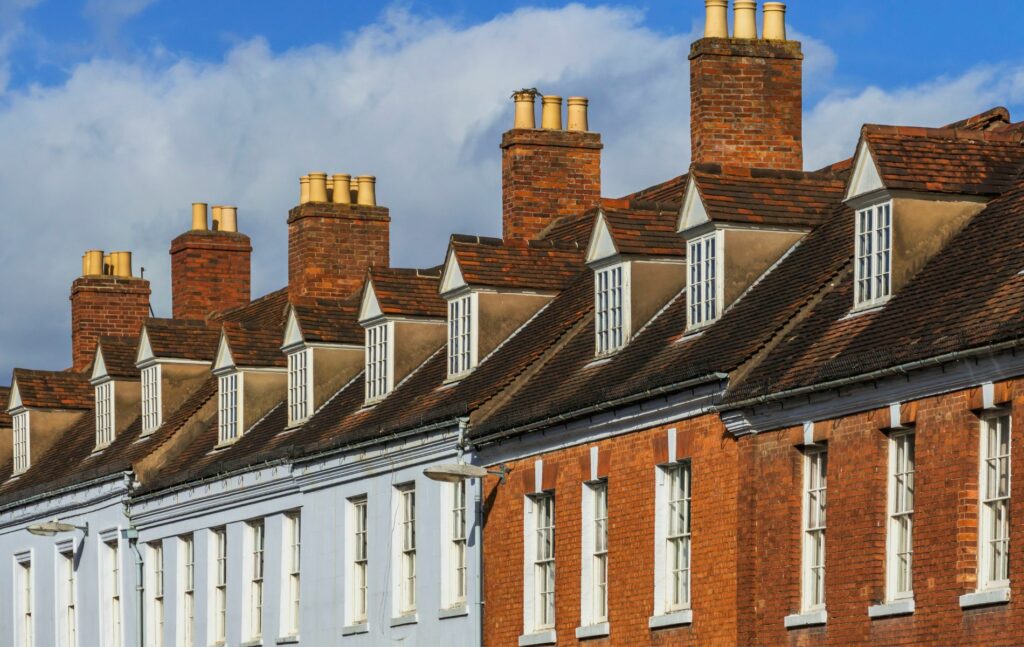
Everyday living in Henley-in-Arden
Living in Henley-in-Arden means having independent shops, cafés, pubs and community activities close at hand, with the countryside just beyond the town.
The Henley-in-Arden Museum and Heritage Centre records the people and events that shaped the town.
Walking is another attraction. The Arden Way begins in Henley, while the Heart of England Way passes through the area. Henley Sidings nature reserve, managed by Warwickshire Wildlife Trust, occupies a former railway embankment with grassland and wildflowers. The Stratford-upon-Avon Canal also runs through the countryside to the east.
Stratford-upon-Avon and Solihull offer a wider choice of shopping, culture and services.
Connectivity: the honest picture
Henley-in-Arden has useful connections to Birmingham and Stratford-upon-Avon, although regular London commuting requires a combination of road and rail travel.
The town’s railway station sits on the North Warwickshire Line, with West Midlands Railway services towards Birmingham Moor Street and Snow Hill, and south to Stratford-upon-Avon. Services are generally around hourly, making timetable planning important for daily commuters.
There are no direct trains from Henley to London. Commuters can drive to Warwick Parkway or Dorridge for Chiltern Railways services to Marylebone, so the additional road journey needs to be factored into the working week.
Road connections include access to the M40 at Junction 16 and the M42 at Junction 3A. Solihull and Birmingham Airport are within easy reach by car.
Our guide to commuting from Warwickshire examines the wider transport options for those balancing work and home life.
Schools
Henley-in-Arden has local primary and secondary schools, with further state and independent options in the surrounding area.
Henley-in-Arden CofE Primary School and St Mary’s Catholic Primary School serve younger pupils. Both are faith schools, and as admissions arrangements vary between schools, including any faith-based criteria, families should check the latest published policies before applying. Nearby Wootton Wawen and Tanworth-in-Arden have village Church of England primary schools.
Henley-in-Arden School is the town’s non-selective state secondary school for pupils aged 11 to 16, with no sixth form. Post-16 education, selective grammar schools and independent options are available in surrounding towns, including Stratford-upon-Avon, Alcester, Warwick and Solihull. Grammar school entry is through the 11-plus admissions process.
Admissions criteria and priority areas can change. Families should confirm current arrangements with individual schools and Warwickshire County Council before committing to a property.
Living in Henley-in-Arden: finding the right home
Living in Henley-in-Arden offers a choice between the convenience of the centre, established residential streets and the quieter surroundings of the Arden villages. The best fit depends on your priorities (such as travel routines) and the practicalities of individual properties.
Buyers also considering property in Stratford-upon-Avon can compare its larger town centre and amenities with Henley’s smaller scale.
If you’re considering moving to Henley-in-Arden or the surrounding villages, Charlotte Sharpe, Regional Partner at Garrington Property Finders, can offer valuable local insight and help you identify properties that suit your lifestyle, priorities and long-term plans. Please get in touch.
Frequently asked questions about living in Henley-in-Arden
Is Henley-in-Arden a nice place to live?
Henley-in-Arden combines the character of a medieval market town with practical everyday amenities: a mile-long conservation-area High Street with independent shops, pubs and cafés, a railway station, a medical centre and its own secondary school. Attractions for buyers include the period architecture, the Arden countryside on the doorstep and easy access to Birmingham, Solihull and Stratford-upon-Avon.
Is Henley-in-Arden a town or a village?
Henley-in-Arden is a market town. It received market rights in the 12th century and became a borough in 1296. With adjoining Beaudesert it had a population of around 3,000 at the 2021 Census, so it is village-sized, but it supports the shops, services and transport of a small town.
What is Henley-in-Arden like?
Henley-in-Arden is built along a single mile-long High Street, a designated conservation area lined with timber-framed buildings, independent shops, pubs and cafés. Landmarks include the 15th-century Guild Hall, the medieval market cross and the church of St John the Baptist, and the town still has a Court Leet. Countryside walks start from the edge of town, and Stratford-upon-Avon is a short drive south.
Does Henley-in-Arden have a train station?
Yes. Henley-in-Arden station is on the North Warwickshire Line, with West Midlands Railway services roughly hourly to Birmingham Moor Street and Snow Hill and to Stratford-upon-Avon. There is no direct London service; most London commuters drive to Warwick Parkway or Dorridge for Chiltern Railways trains to Marylebone.
Which secondary school serves Henley-in-Arden?
Henley-in-Arden School is the town’s state secondary, for ages 11 to 16. Students then move on to sixth forms and colleges elsewhere, typically in Stratford-upon-Avon, Alcester or Solihull. Catchment boundaries are reviewed periodically by the local authority and can change, so buyers should confirm current boundaries with the school or Warwickshire County Council before purchasing.