Property in Cookham: Berkshire’s Riverside Gem
If you are planning a move to Berkshire, a property in Cookham is well worth considering.
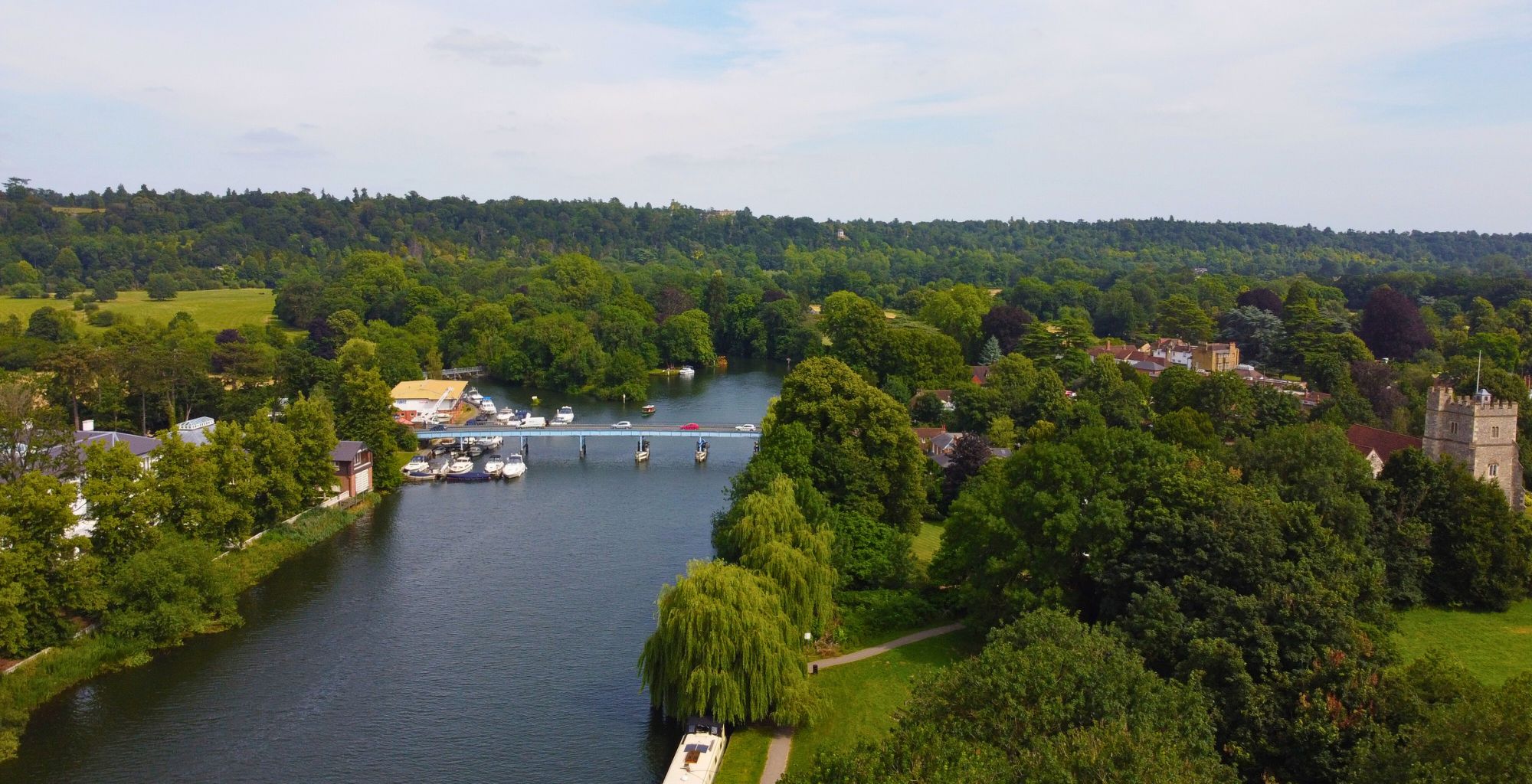
Set on the River Thames, just north of Maidenhead and around 30 miles west of central London, Cookham combines strong transport connections with a settlement pattern that has remained largely intact for generations.
While it benefits from proximity to Maidenhead and the Elizabeth line beyond, it does not feel like a satellite settlement.
Cookham’s boundaries are clear, and that sense of separation is part of its popularity.
Often regarded as one of the most desirable villages in the Thames Valley, Cookham is known for its picturesque riverside setting, strong sense of community, and long‑standing cultural identity.
Property in Cookham combines historic charm with a quietly affluent atmosphere, and the village’s balance of countryside access, walkable amenities, and community cohesion continues to appeal to those seeking a settled, well‑connected place to live.
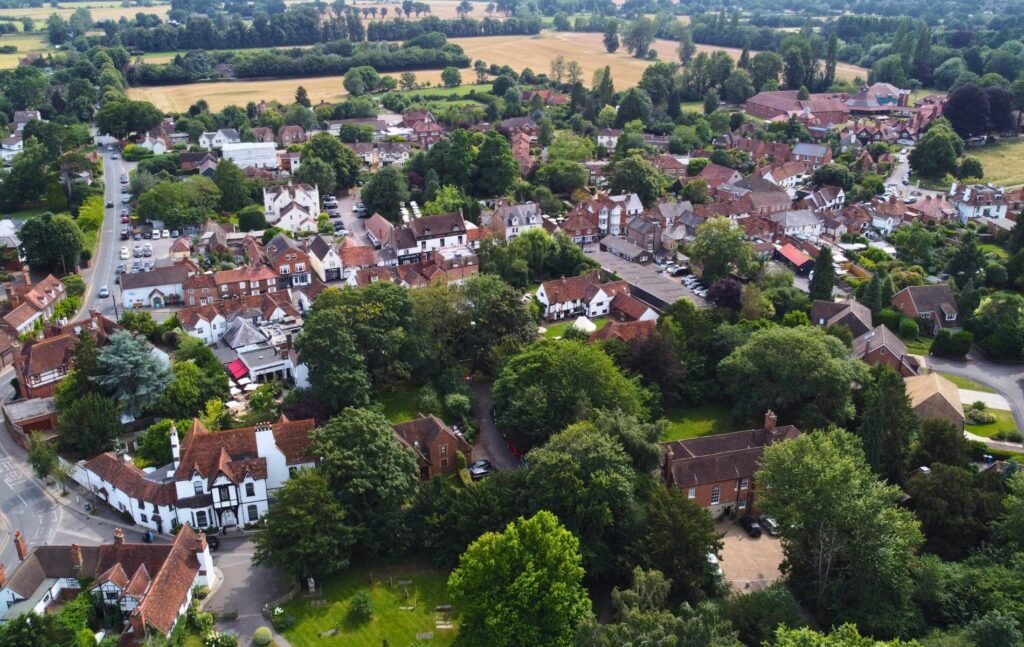
Green Belt protection wraps tightly around much of the parish, limiting outward growth and preserving a distinct edge to the village. As a result, Cookham has changed slowly and deliberately, and small locational differences matter here.
Cookham property guide: Village, Rise, and Dean explained
Rather than operating around a single centre, Cookham works through a series of connected neighbourhoods, footpaths, and local hubs. Understanding how those areas relate to one another is key when assessing property in Cookham.
Living in Cookham village: Character and property types
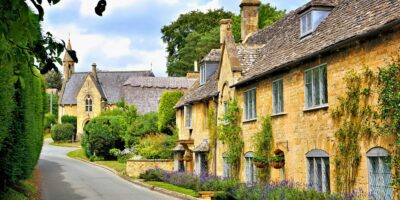
Cookham Village forms the historic core, centred on the High Street and a network of older lanes that lead naturally towards the church and the river.
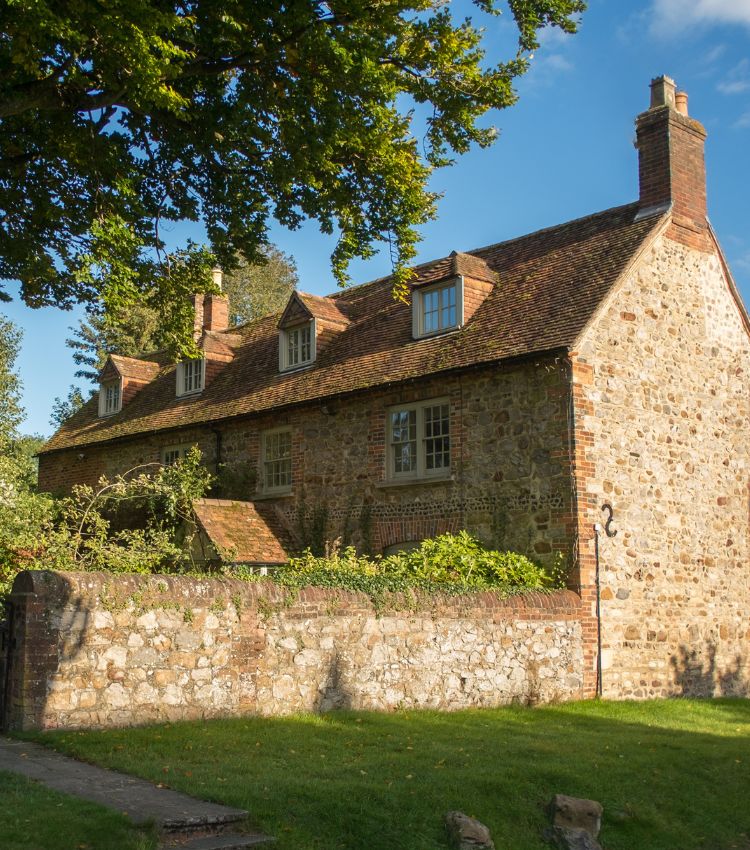
Much of the housing here is period, including listed buildings, cottages, and long‑established family houses, with a large proportion falling within the conservation area.
Cookham’s historic building lines create a sense of enclosure that encourages walking rather than driving.
Daily errands are easily combined with a visit to the river or a circuit through the older streets. That character comes with compromises. Parking is limited, plots are tighter, and planning controls are more exacting.
Streets just behind the High Street often feel calmer and more residential than those directly fronting it, particularly at weekends and during busier seasons.
Cookham Rise property: Access, amenities, and transport
Cookham Rise sits to the south of the parish around the station. The housing mix is broader, ranging from Edwardian and interwar homes to later development, and the overall feel is more practical than historic.
For those commuting several days a week, this part of Cookham often works well. Access to the station and amenities is straightforward, but experienced buyers tend to look beyond simple distance.
Gradients, road crossings, lighting, and pavement width can all affect how a route feels, particularly early in the morning or later in the evening.
With many essential shops surrounding the station and having access to schools and the doctors, Cookham Rise benefits from being firmly part of the parish, with walking routes linking it back towards the High Street and the surrounding countryside.
Homes in Cookham Dean: Rural setting and privacy
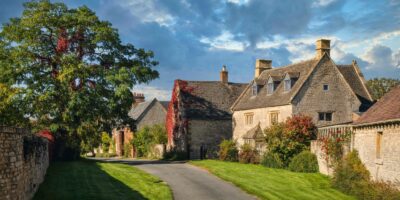
Cookham Dean feels different again. Properties are spread along rural lanes leading towards woodland and open land, with larger plots, greater privacy, and fewer immediate neighbours.
Here, outlook, light, and space tend to shape decisions more than convenience. Shops and the station are less immediate, but the sense of setting is stronger.
Availability is limited, and when houses do come to market, prices often reflect how rarely this combination of scale and landscape becomes available.
What it’s like to live in Cookham: Landscape and movement
Cookham’s setting is not something that sits at the edge of village life; it is woven into it.
The Green Belt designation to the west and north has preserved open land within easy reach of the centre and prevented gradual merging with neighbouring settlements.
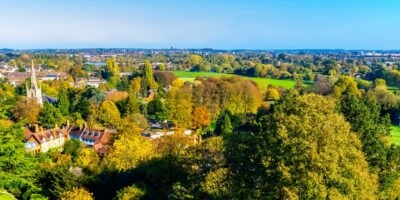
A well‑established network of footpaths links residential streets with river meadows, woodland edges, and higher ground towards Winter Hill.
These routes are used routinely, whether for dog walking, school runs on foot, or simply moving through the village without relying on main roads.
Across the Thames, Cliveden’s parkland offers longer walks and elevated views, but without drawing sustained footfall back through Cookham itself.
The village remains connected to its surroundings while retaining a settled, residential feel, a balance that attracts many homebuyers to explore property in Cookham.
Cookham High Street: Shops, cafés and village life
Cookham High Street is short, but it works hard. It feels like a proper village centre rather than a token row of shops, with independent cafés, pubs, and restaurants sitting alongside a handful of boutique shops.
A short stroll down to the station offers a supermarket, French bakery and cheese deli, the post office, pharmacy, doctors, and a smattering of other shops offering essential daily services.
Activity is steady throughout the day and into the early evening. Many businesses are long-established, which gives the centre a sense of continuity.
Evenings tend to revolve around pubs and dining rather than late‑night venues, helping the village retain a settled feel once the shops close.
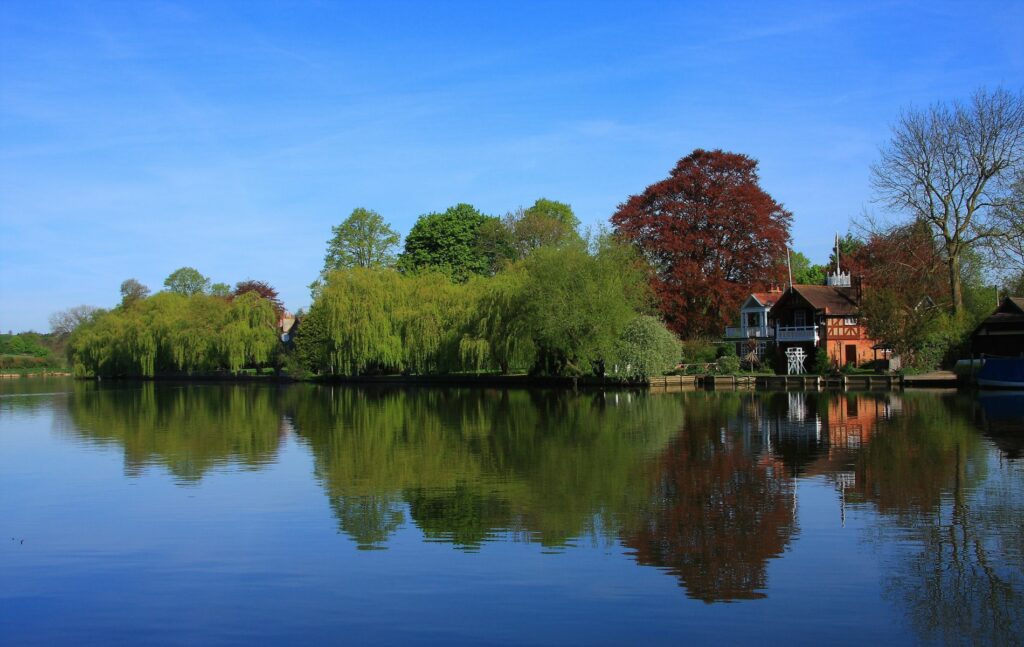
The river and adjoining footpaths sit close by, so everyday errands often blend naturally into a walk along the Thames or across nearby meadows.
Visitor numbers increase in warmer months, but activity is largely concentrated around the river and central stretch of the High Street rather than spilling evenly across the village.
For residents, the appeal of the High Street lies less in range than in dependability. Daily needs can be met on foot, social life remains locally anchored, and the centre stays active without overwhelming surrounding residential streets.
Cookham’s history and Stanley Spencer’s legacy
Beyond its day‑to‑day function, Cookham’s cultural identity is closely tied to its association with Stanley Spencer. His work depicts recognisable streets, buildings, and landscapes that still form part of everyday life.
The Stanley Spencer Gallery, housed in the former Wesleyan Chapel, sits comfortably within the village fabric.
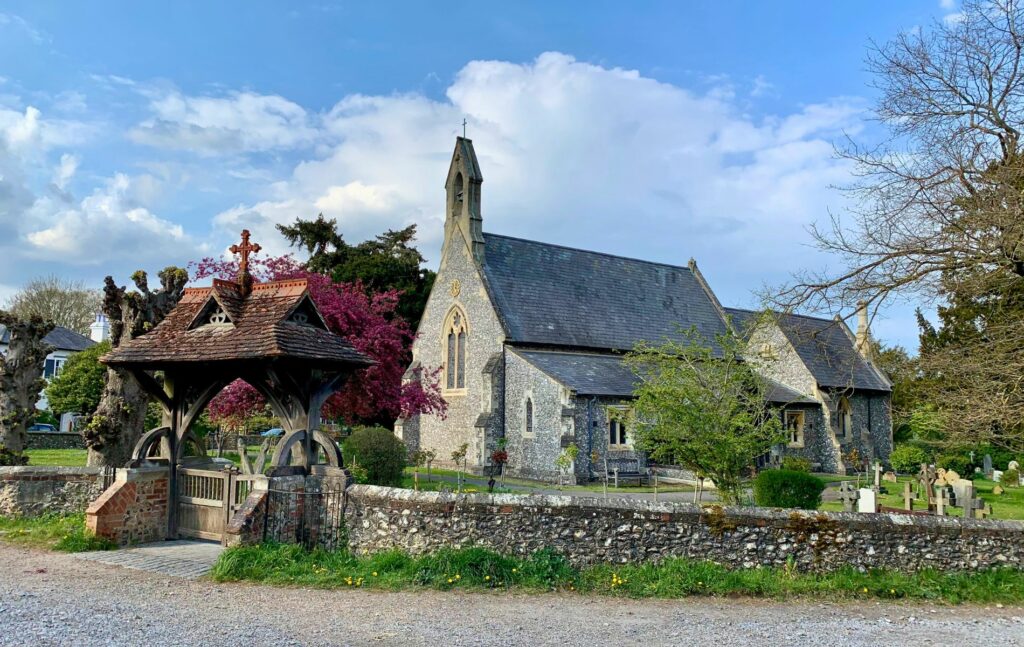
Archaeological discoveries near Holy Trinity Church, including evidence of an Anglo‑Saxon monastic settlement, further underline Cookham’s long‑standing importance and help explain why change here tends to be gradual rather than dramatic.
Schools in Cookham: State, independent, and catchments
Schools are a practical consideration for many families looking at property in Cookham. Holy Trinity CofE Primary School and Cookham Rise Primary School both serve the parish, though catchment boundaries and admissions criteria are tight, meaning outcomes can vary year to year.
Independent options include Herries, a small nurturing school, located in the former home of Kenneth Graham, which makes the most of the nearby woodland, and St Piran’s in neighbouring Maidenhead, which offers great facilities, including a swimming pool.
Families relocating from outside the area often benefit from understanding how different parts of the village align with daily school logistics, including walking routes, traffic patterns, and after‑school arrangements.
Secondary schooling is typically accessed in Maidenhead and surrounding towns, with travel influenced by precise location within the parish. However, many parts of Cookham fall within the sought-after grammar school catchments for Sir William Borlase in nearby Marlow and John Hampden in High Wycombe.
Planning rules and conservation areas in Cookham
Planning policy plays a visible role in shaping property in Cookham. Conservation areas covering Cookham Village and Cookham Dean help preserve architectural consistency, but they also influence what can be altered or extended.
In practice, this can affect window styles, rooflines, materials, and visibility from public footpaths. For some buyers, these controls provide reassurance. For others, particularly those considering future changes, it is important to understand constraints early and factor them into longer‑term plans.
Transport and commuting from Cookham: Rail and road access
Cookham station provides services to Maidenhead and Bourne End, with onward connections via the Elizabeth line and Great Western Main Line.
Demand remains strong within walkable reach of the station, and it’s prudent to assess routes carefully rather than relying solely on distance.
Road access to the A404 and M4 is straightforward, yet Cookham avoids becoming a through‑route. This helps preserve its village atmosphere while maintaining practical connectivity for work or leisure.
Buying property in Cookham: Key factors to consider
In Cookham, small locational differences matter. The choice between High Street proximity, station access or a more rural setting can shape how a property feels in use far more than headline size or style.
While the Thames is not central to every part of the parish, it does influence certain pockets. For homes near the river or on lower ground, detailed, location‑specific flood risk advice is essential, informed by surveys and local precedent rather than broad‑brush mapping.
At Garrington, our advice is shaped by long‑term buying experience in the Thames Valley and regular, on‑the‑ground assessment of how individual locations perform over time. We help buyers understand how Cookham works in practice and identify opportunities that do not always reach the open market.
Cookham’s combination of scenic landscape, established community, practical amenities, and transport links helps explain why it is widely seen as a desirable place to live.
If you would like tailored guidance on property in Cookham, schooling considerations, or suitable locations for your move, our team would be delighted to help. Please do get in touch.