Commuting from Warwickshire: Country Living with Connectivity
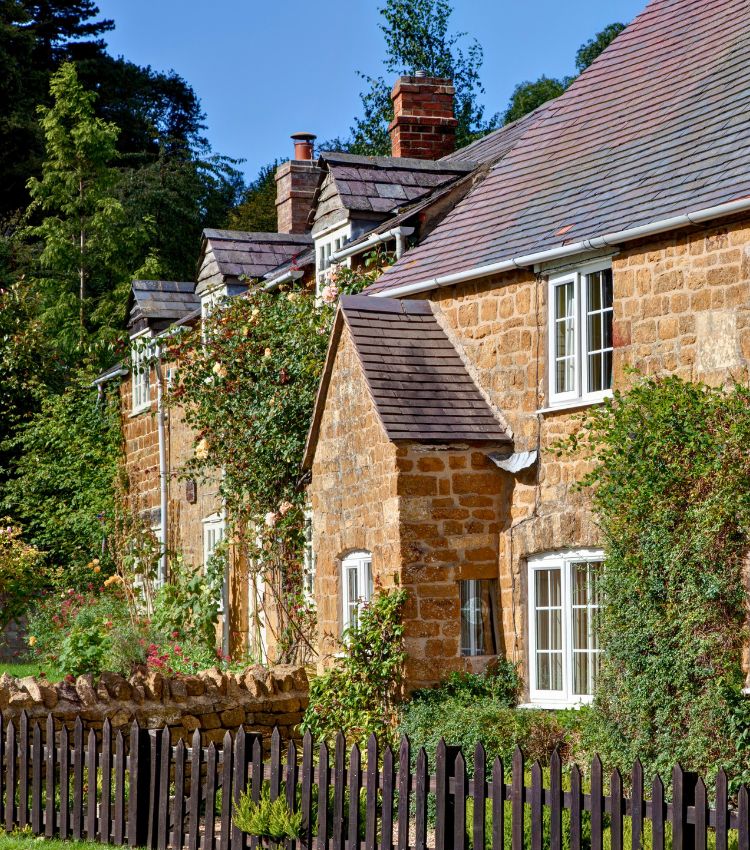
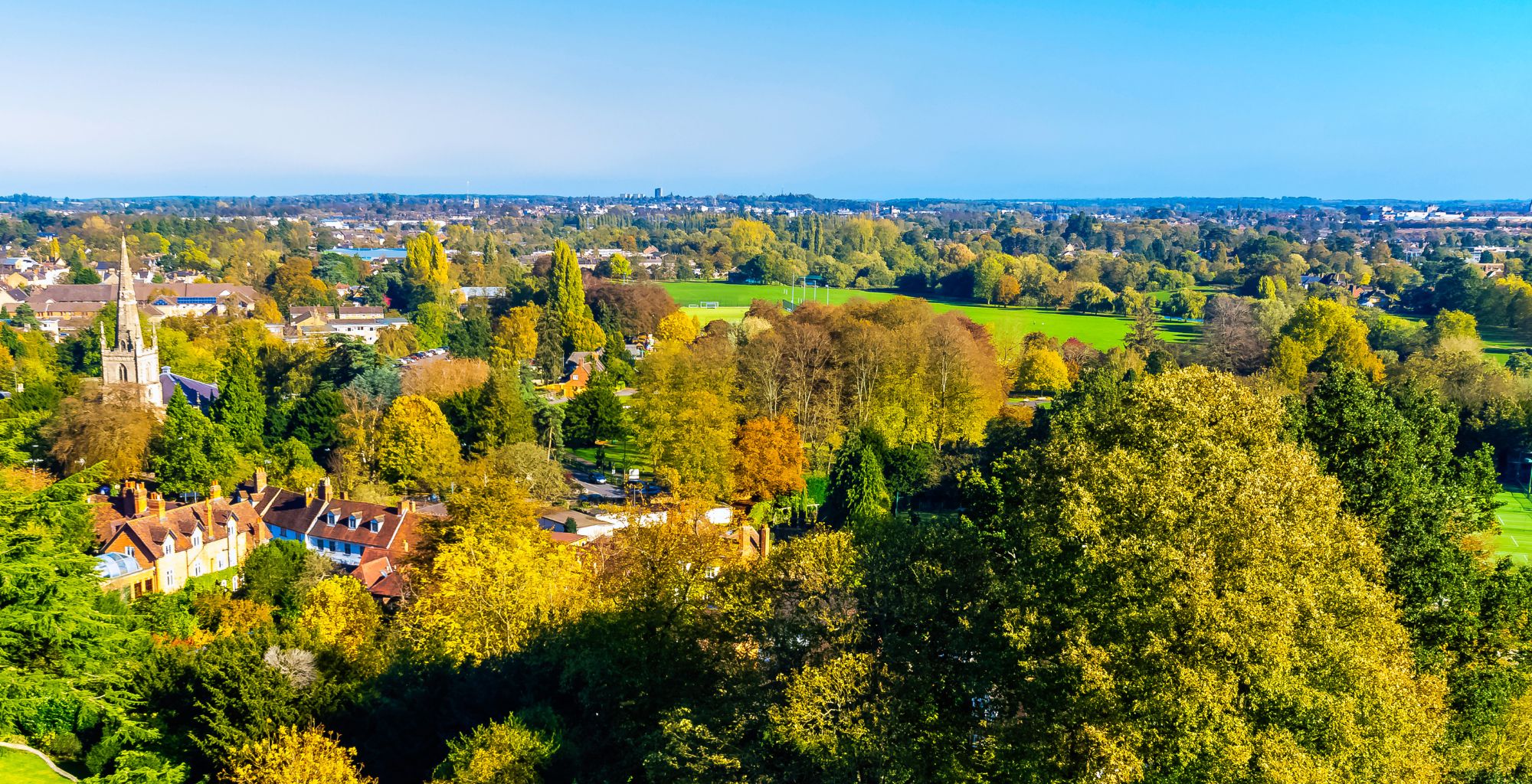
For many buyers, commuting from Warwickshire is not a compromise but a deliberate lifestyle choice: a county of stone market towns, handsome villages, and open countryside with access to London, Birmingham, and Oxford.
For buyers with some flexibility over how often they travel, the same budget can often offer more space and a different lifestyle than it might closer to the city. That calculation has always existed. What has changed is how buyers make it.
Below provides a helpful overview for those considering a property in Warwickshire, covering the key commuter routes, towns, and villages that tend to shape the search.
Why Warwickshire works for today’s commuter
The question that surfaces most often in any honest conversation about relocation is some version of this: how far is too far? It is the right question, but it tends to be framed too narrowly. Distance and journey time are only part of the answer. The more useful variables are frequency, flexibility, and what you actually get at the other end.
A buyer commuting four days a week into a city-centre office is making a different calculation from one travelling to London twice a week and working from a home office with a garden and a primary school ten minutes away on foot.
Since 2020, hybrid working has continued to influence how many buyers think about commuting, space, and location.
For those with genuine flexibility over how often they travel, the radius of viable living has expanded considerably. For these buyers, commuting from Warwickshire can fit within that expanded radius for all three of its major destinations, and the lifestyle it offers in return is a significant part of its appeal.
Commuting from Warwickshire: Routes to London, Birmingham, and Oxford
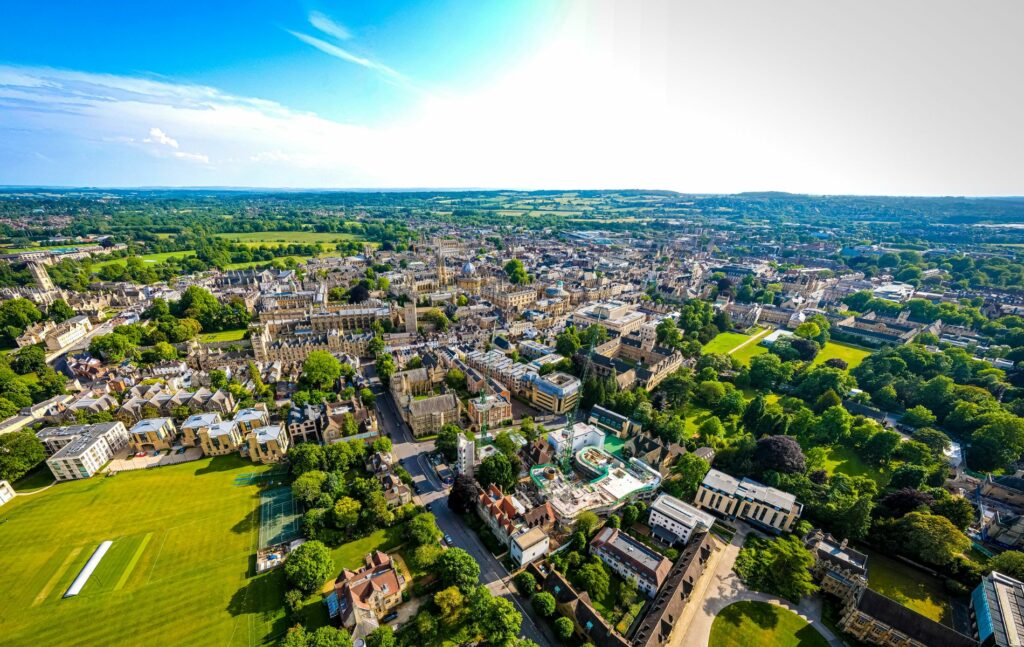
One of Warwickshire’s distinguishing features is that it offers access to London, Birmingham, and Oxford. That three-city access can be an advantage for buyers with flexibility over where they work, or who are relocating without a fixed destination in mind.
Fastest direct Chiltern Railways services from Warwick to London Marylebone can take around 1 hour 20 minutes.
From Leamington Spa, fastest direct services can take around 1 hour 10 minutes. Hatton and Lapworth also have stations serving the Chiltern corridor. For drivers, the M40 is the main motorway route, with Junction 15 commonly used for Warwick and Leamington Spa.
Birmingham is also accessible by rail. Leamington Spa to Birmingham Moor Street typically takes around 35 to 40 minutes, with some fastest services slightly quicker. Warwick Parkway also offers rail access to Birmingham, with journeys to New Street commonly taking around 40 to 50 minutes depending on the service.
By car, the A46 and M40 provide useful connections towards Birmingham, Solihull, and the NEC, although timings vary with traffic. For buyers working in professional services, financial services, and the West Midlands’ established digital and life sciences economy, the county can offer access to Birmingham while providing a different pace of life.
Oxford may also be a workable option for some buyers. By road, parts of south Warwickshire may be around an hour from Oxford, depending on the exact starting point, destination, and traffic conditions.
For buyers employed in Oxford’s university and hospital sectors, or in the wider science and technology economy around the city, south Warwickshire may be worth considering alongside Oxfordshire itself.
Best places to live for commuting from Warwickshire: Where buyers look
Leamington Spa and Warwick: the urban anchor
Warwick and Leamington Spa function as the county’s urban anchor for commuter buyers, and they serve different buyer profiles. Leamington attracts those who want a town with genuine cultural energy: the restaurant quarter along Regent Street, independent retail across the Parade, and a lively music and arts scene for a town of its size.
The Regency terraces in Leamington’s centre and the larger family houses in Lillington and Milverton provide a wide range of options.
Warwick appeals to buyers who want something more settled in character. The historic core around the castle contains notably distinctive town-centre housing, and both towns offer direct rail access on the Chiltern line with straightforward motorway connections in either direction.
Henley-in-Arden: the market town commuter benchmark
Henley-in-Arden has its own station on the Chiltern line, which makes it unusual among Warwickshire’s smaller market towns. Buyers get a strong market town character, complete with the medieval Guild Hall and a long, handsome high street, without surrendering direct rail access to London and Birmingham.
Those who choose Henley tend to want more space and a clearer sense of having left the city behind. Properties range from period townhouses on the high street to substantial detached homes on the fringes and converted farmhouses in the surrounding countryside.
It represents the point at which town amenity and rural atmosphere meet without one significantly compromising the other.
Claverdon, Southam, and the villages in between
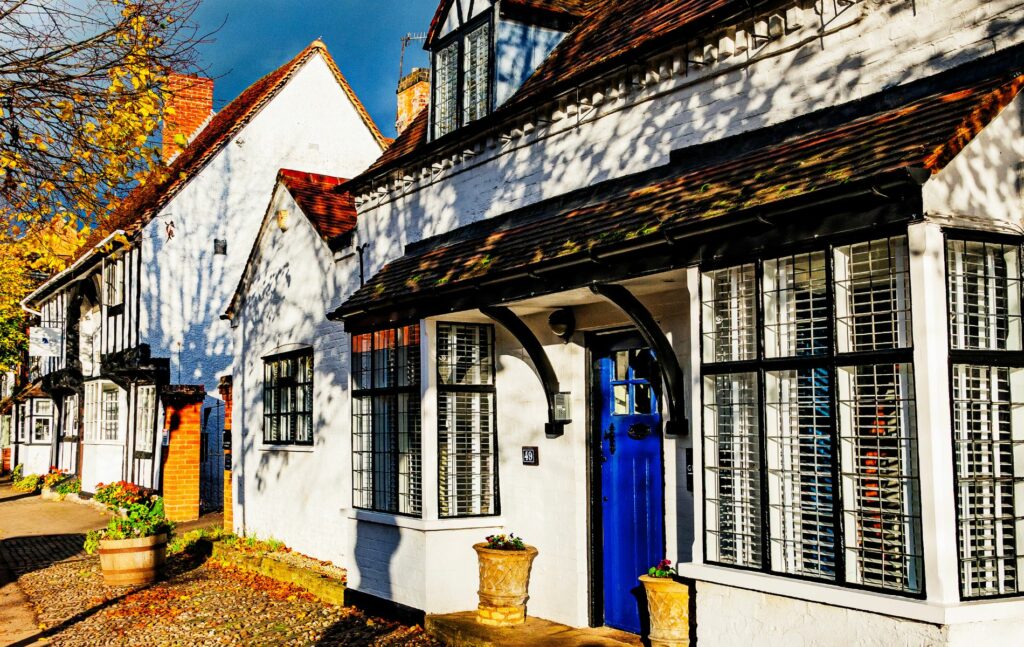
For many buyers, the villages sitting between the main towns (Claverdon, Barford, Hunningham, Sherborne, Harbury) are destination locations in their own right, and where commuting from Warwickshire becomes particularly interesting for those willing to look beyond the obvious.
Claverdon, a few miles west of Warwick towards Henley-in-Arden, offers classic English village character with access to Hatton station and the M40 within a short drive.
The property mix in Claverdon runs to period cottages, larger Victorian houses, and more substantial rural homes on the village fringes.
Barford, just south of Warwick on the A429, sits close to the M40 at Junction 15, making it possible to reach routes towards both Birmingham and London without an extended drive to a station. Southam, further east, is a small market town with its own amenities, positioned where the M40 and A425 help connect it with Leamington, Warwick, and routes towards Oxford.
What unites all of these locations is a quality harder to quantify than journey times: the sense of having arrived somewhere worth the travel.
What the commuter buyer actually prioritises
The property brief that the Warwickshire commuter buyer arrives with is more specific than it first appears. Station walk time is frequently cited. A buyer who has calculated that they can tolerate a 70-minute journey to London Marylebone will often recalibrate if that journey begins with a 20-minute drive to the station.
Properties within walking distance of Leamington Spa, Warwick, Warwick Parkway, or Hatton are often particularly sought after as a result.
For many buyers who work partly from home, broadband quality is now a key practical consideration. Broadband availability has improved in many rural areas, but service levels can still vary significantly from one property to another, so buyers should verify the exact address rather than relying on postcode-level data alone.
Admissions rules and priority areas for well-regarded state schools in Warwick and Leamington can have a major influence on where a search begins.
For families considering independent education, Warwick and the surrounding area offer a number of established options.
Their location relative to both the family home and the commuter’s route to the station can shape the search in ways buyers rarely anticipate until they are living it.
Warwickshire and the wider prime market
Warwickshire sits at the northern edge of a broader stretch of highly regarded English countryside that extends through Oxfordshire and the Cotswolds. Each county has its own distinct character, and buyers relocating from London or other major cities will often consider more than one before settling on the right location.
The decision is rarely purely geographic; it tends to be shaped by the specific commuter route, the school in mind, the type of property that fits the brief, and the character of the community.
One of Warwickshire’s key attractions is its access to London, Birmingham, and Oxford. Commuting from Warwickshire with flexibility over which city you travel to, and how often, is a different proposition from commuting to a single destination. For some buyers, that flexibility is the deciding factor. For others, it is simply reassuring to know it is there.
Find out more about commuting from Warwickshire
For buyers weighing up which part of Warwickshire best fits their commuter profile and lifestyle priorities, Garrington’s Central team works across the county. Contact us to discuss your search.