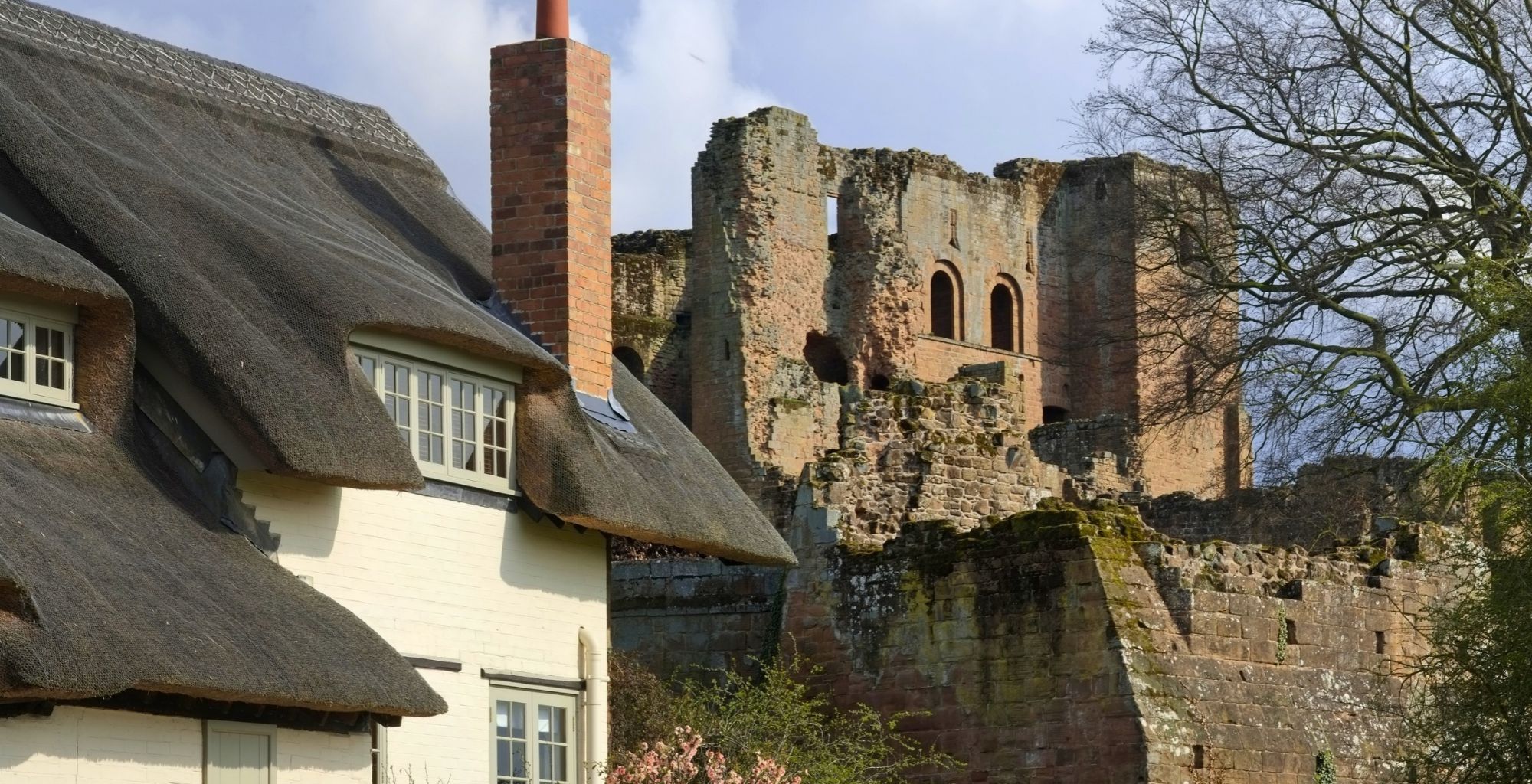
Living in Kenilworth: Life Beyond the Castle Walls
Living in Kenilworth puts a medieval castle, the green sweep of Abbey Fields and two distinct town centres within reach.
Castle Hill and High Street define the Old Town, while Warwick Road, Abbey End and Talisman Square form its shopping heart.
Around 5.5 miles south-west of Coventry and 4.5 miles north of Warwick and Leamington Spa, this market town in Warwickshire, with a population of 22,538 at the 2021 Census, is well placed for professionals working at the University of Warwick or along the Coventry and Birmingham employment corridor.
For buyers relocating from London, the South East or Birmingham, it offers a quieter pace of life without sacrificing access to city amenities. Choosing the right neighbourhood is key.
A town of castle and abbey
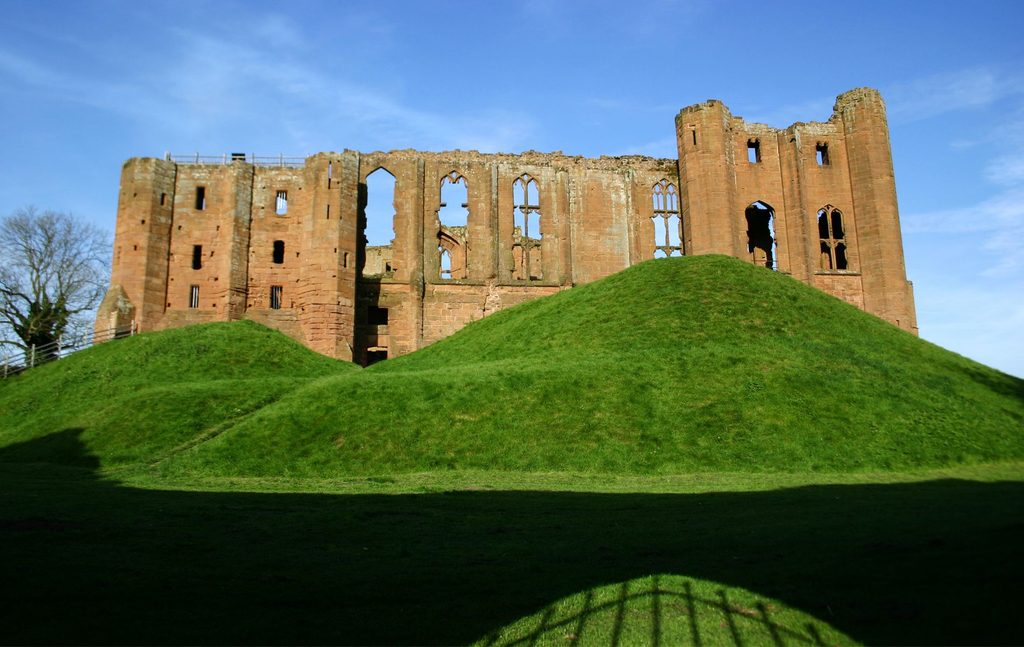
Kenilworth’s medieval past is visible in the castle, abbey remains and streets around Castle Hill. Geoffrey de Clinton began the Norman castle keep in the 1120s. The fortress withstood a six-month siege in 1266, one of the longest in medieval English history, before becoming a royal residence.
Granted to Robert Dudley, Earl of Leicester, in 1563, the castle hosted Elizabeth I for 19 days in July 1575. Dudley’s elaborate garden for her visit has been recreated by English Heritage. Walter Scott later brought their story to a wider readership in his 1821 novel Kenilworth.
Below the castle, Abbey Fields contains the remains of the abbey also founded by Geoffrey de Clinton, St Nicholas Church and open parkland.
The historic setting is not cordoned off from daily life: it is the route between the town’s two centres.
The property market: character and mix
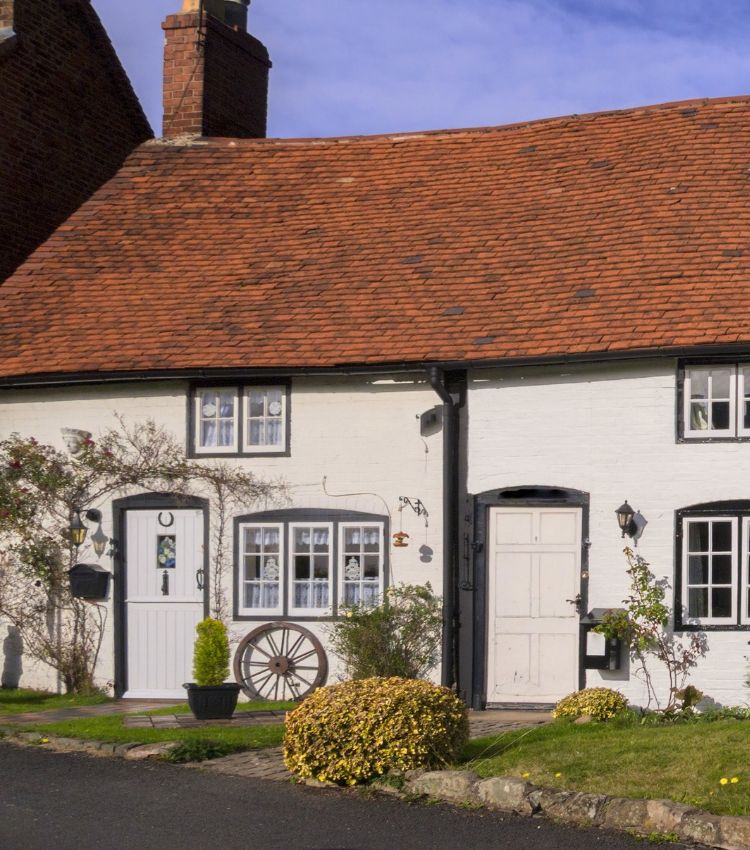
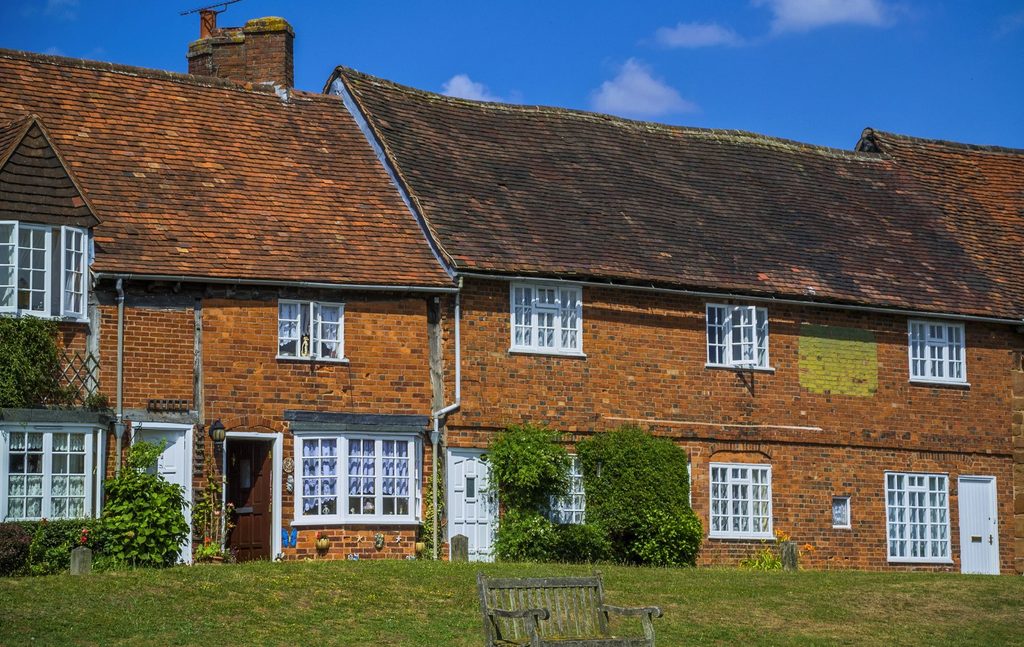
Kenilworth’s housing ranges from ancient cottages and purpose-built retirement properties to Victorian and Edwardian terraces, detached family houses and newer developments. Beyond the historic core, mid-century and later detached homes make up much of the town’s family housing.
Period homes offer character, although buyers may need to consider maintenance demands, parking constraints and, for some properties, heritage restrictions.
Families may prioritise garden space and school access, while downsizers may favour a period home closer to the shops.
Where to live in Kenilworth
Living in Kenilworth offers a choice of neighbourhoods, each with its own character. The Old Town around Castle Hill is known for its historic streets, period homes and traditional pubs.
Around Abbey End, Park Road and Abbey Fields, Victorian and Edwardian houses are within walking distance of shops, cafés and the station.
Crackley and Beehive Hill offer larger detached and period homes, often with generous gardens, in quieter residential areas close to woodland.
To the east, Glasshouse Lane and Thickthorn have newer family housing, with access to Kenilworth School and routes out of town.
For those moving to Kenilworth, the nearby villages offer another balance of space and convenience. Leek Wootton lies towards Warwick; Stoneleigh and Ashow sit east along the Avon; Honiley and Burton Green offer countryside to the west and north-west. Balsall Common, across the Solihull boundary, has village amenities and Berkswell station, with direct trains to London Euston.
You can read more articles, such as Living in Leamington Spa, Property in Warwickshire and Inside the Warwickshire Golden Triangle, for a wider look at the county.
Everyday life: Abbey Fields and beyond
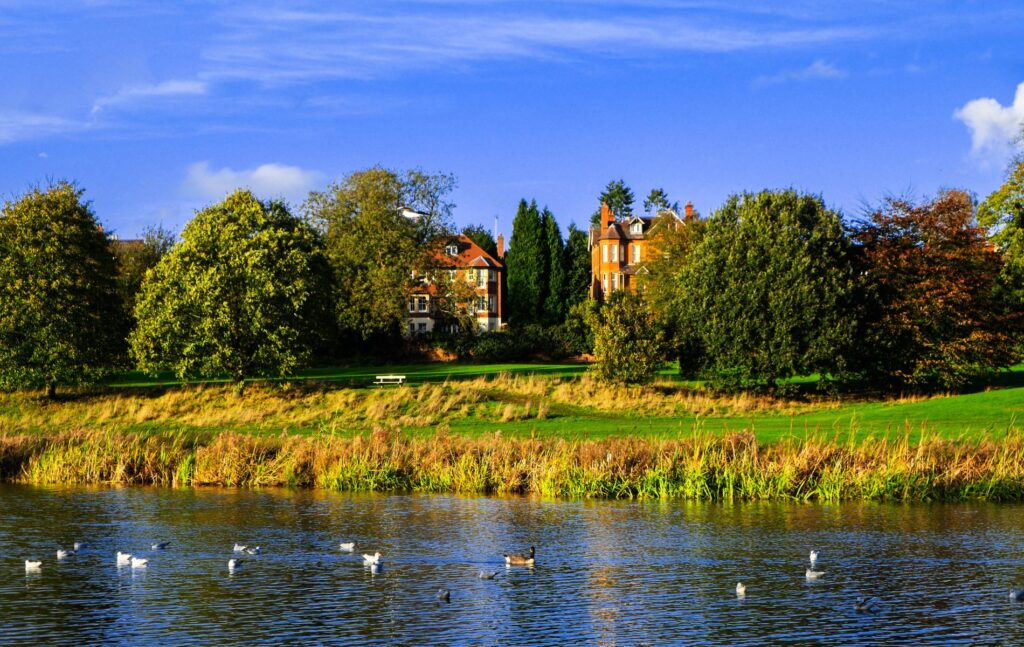
Abbey Fields gives living in Kenilworth a green centre, with lawns, a lake and paths linking the Old Town to the shopping streets. Its newly opened rebuilt swimming complex has two indoor pools and a café. The upgraded Castle Farm Leisure Centre nearby provides further sports facilities.
The Talisman and Priory theatres add to the town’s cultural life, while independent cafés and shops serve both town centres.
On New Street, The Cross, a Michelin-starred pub in a Grade II listed 19th-century inn, adds a destination restaurant to the local dining scene.
Kenilworth Common and the Crackley Woods nature reserve offer woodland and open space beyond the park. The Kenilworth Greenway follows a former railway towards Burton Green and Balsall Common, providing a route for walkers, cyclists and horse riders, subject to any temporary works or diversions.
Connectivity: the honest picture of living in Kenilworth
Kenilworth is well positioned for Coventry and the University of Warwick, but London travel normally involves a connection. The station reopened in April 2018 after more than 50 years. West Midlands Railway operates a generally hourly Leamington Spa–Nuneaton service via Coventry, a short journey away.
London-bound passengers often change at Coventry for Euston or at Leamington Spa for Marylebone. Timetables and connections are worth checking, particularly for regular commuters. The A46 links towards the M40 and M6, while Birmingham Airport is around 20 to 30 minutes by road, depending on traffic.
The University of Warwick sits near the northern edge of town.
North-west of Kenilworth, HS2 runs in a covered tunnel beneath Burton Green. Buyers considering a move should test their regular routes at commuting times. Our guide to Commuting from Warwickshire explores the wider options.
Schools in Kenilworth
Kenilworth’s main state secondary is Kenilworth School and Sixth Form, serving ages 11 to 18 from a single purpose-built Glasshouse Lane campus opened in 2023.
State primary schools include Clinton Primary School, St John’s Primary School, Priors Field Primary School, Thorns Community Infant School and Park Hill Junior School.
St Nicholas Church of England Primary School and St Augustine’s Catholic Primary School have faith-related admissions criteria.
Independent preparatory education is available at Crackley Hall School, with other independent schools in Warwick and Leamington Spa.
Admissions rules and priority areas can change, so families should confirm the current position with schools and Warwickshire County Council.
Living in Kenilworth: finding the right home
Living in Kenilworth means choosing not just a home, but a daily routine. School journeys, station access, parking and proximity to Abbey Fields, Kenilworth Common or Crackley Woods can all shape which address works best.
Drawing on her experience of Kenilworth’s property market and detailed knowledge of its neighbourhoods and surrounding villages, Garrington’s regional partner Charlotte Sharpe can help buyers identify promising streets, discover properties they might otherwise miss and find a home that fits their priorities.
Please get in touch for a no-obligation conversation about your property plans.
Frequently asked questions about living in Kenilworth
Is Kenilworth a nice place to live?
Kenilworth pairs the character of a historic castle town with a practical everyday offering: two shopping areas, Abbey Fields parkland at its centre, a railway station and quick road access to Coventry, Warwick and Leamington Spa.
Does Kenilworth have a train station?
Yes. Kenilworth station reopened in April 2018 after more than 50 years. West Midlands Railway runs an hourly service between Leamington Spa and Nuneaton via Coventry, which is around seven minutes away. London journeys involve one change, at Coventry for Euston or at Leamington Spa for Marylebone.
What is Kenilworth known for?
Kenilworth is best known for its castle, where Robert Dudley entertained Elizabeth I for 19 days in 1575 and where English Heritage has recreated his Elizabethan garden. The town also holds the ruins of a medieval abbey in Abbey Fields, and gave its name to Walter Scott’s 1821 novel.
Which secondary school serves Kenilworth?
Kenilworth School and Sixth Form is the town’s state secondary for ages 11 to 18, on a single campus on Glasshouse Lane since 2023. Catchment boundaries are reviewed periodically and can change, so buyers should confirm them with the school or Warwickshire County Council before purchasing.